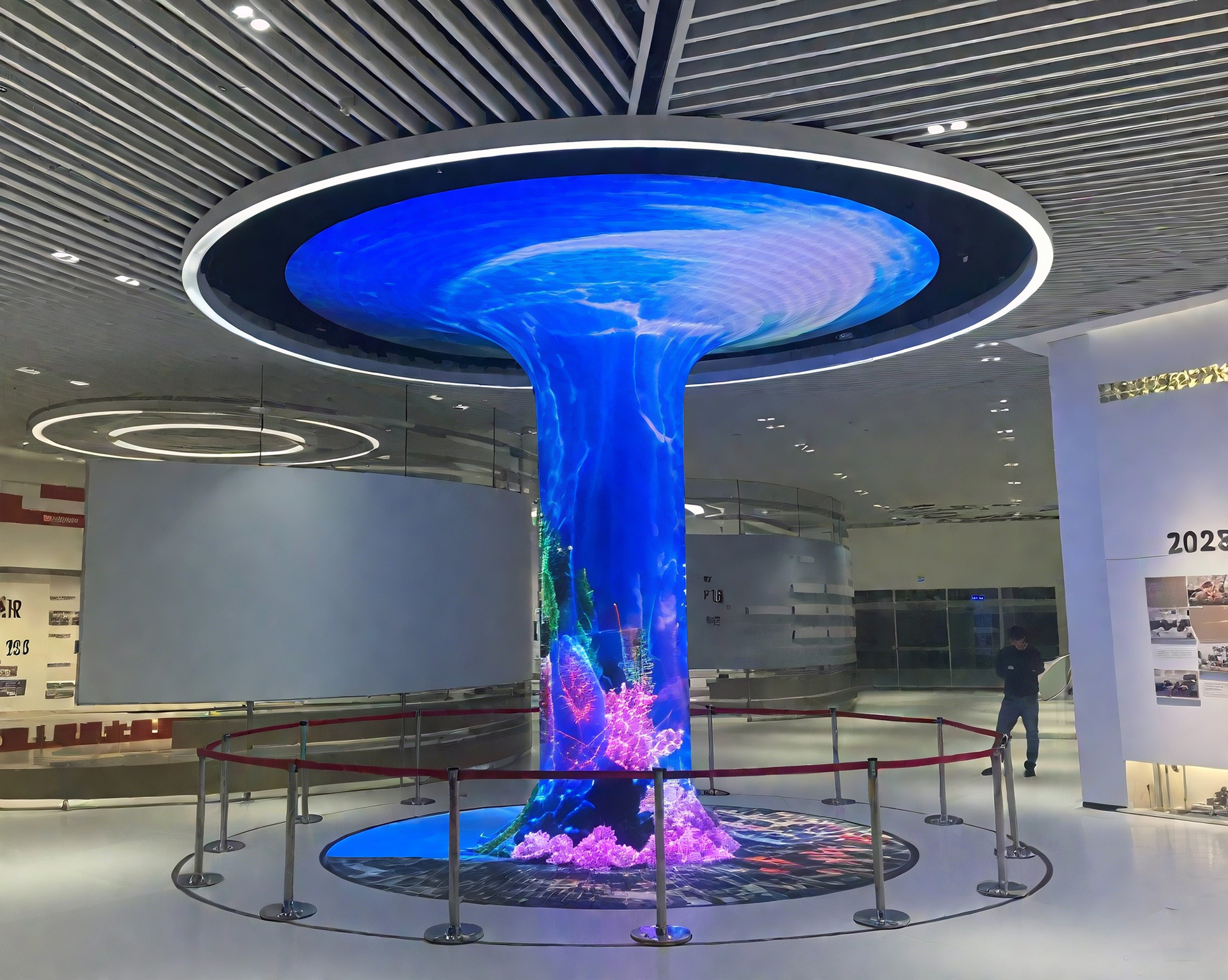
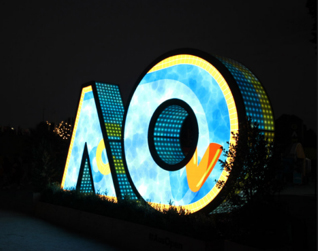
indoorled screens have already penetrated various scenarios such as offices, supermarkets, and exhibition halls. From small display panels in conference rooms to large splicing screens in shopping malls, their stability directly affects the user experience and cost investment. Many users may have this confusion: are indoorled screens easy to break? Speaking of which, its degree of wear and tear is never random, it is not only related to the technical characteristics of its core components, but also inseparable from the detailed control of daily use. Many times, the seemingly "sudden strike" of LED screens is the result of long-term neglect of maintenance. Only by understanding their technical principles can we truly do a good job in daily protection and extend their service life.
1、 Technical interpretation of the core causes of indoorled screens being prone to breakage
Instead of worrying about whether LED screens are prone to breakage, it's better to first identify the root cause of their wear and tear. The core components of indoorled screens are LED beads, driver chips, and power modules, and their collaborative work determines the stability of the screen. LED chips use the principle of semiconductor luminescence, relying on electronic transitions of PN junctions to achieve luminescence. Their lifespan could have been over 50000 hours, but the chip packaging process of inferior chips is rough, and they are prone to light decay and dead lights in high temperature environments.
The driver chip is responsible for controlling the on/off and brightness of the LED chips. If the chip's heat dissipation performance is poor, long-term high load operation may result in breakdown and burning; The power module is the "power heart", and unstable voltage or surge impact can directly damage the internal circuit. In fact, the damage to most indoorled screens is not due to inherent quality defects, but rather a combination of component wear and improper use, and is not really "fragile and easy to break".
2、 Key technical factors affecting the lifespan of indoorled screens
Many people overlook that subtle differences in indoor environments can affect the lifespan of LED screens through technological means. Firstly, there is the issue of heat dissipation. LED screens generate a large amount of heat during operation, especially high-density splicing screens. The accumulation of heat can accelerate the degradation of light bulbs and chip aging - just like how people become exhausted from prolonged exposure to hot and humid environments, the core components of LED screens also need to "breathe and dissipate heat".
Secondly, there is the driving method. Compared to constant voltage driving, constant current driving can more stably control the current and avoid damage to the lamp beads due to current fluctuations; The packaging process of the screen directly determines its ability to resist moisture and dust. If the packaging is not tightly sealed in humid indoor environments (such as underground exhibition halls and bathrooms), water vapor infiltration can lead to short circuits. Perhaps some people think that indoor environments are mild and there is no need to worry too much, but these details are precisely the key to determining whether LED screens are "fragile".
3、 Daily use: core precautions for environmental protection
Environmental protection is the foundation for extending the lifespan of indoorled screens, but it is often overlooked. Although there is no wind or rain indoors, humidity, dust, and temperature fluctuations are still invisible killers. Avoid installing LED screens directly below the air conditioning vents, as sudden cooling and heating can cause the screen casing to expand and contract, resulting in larger gaps and easier infiltration of dust and moisture.
In humid seasons (such as rainy season), if the screen is not used for a long time, it is recommended to turn on the power for 30 minutes every week to use the heat generated by work to dissipate internal moisture and prevent circuit oxidation. Dust accumulation can block the heat dissipation holes and affect the light emission of the lamp beads. When cleaning, there is no need to use a high-pressure water gun. Use a soft bristled brush to gently wipe the surface of the screen body. Do not use corrosive liquids such as alcohol to avoid damaging the encapsulation layer of the lamp beads - this is something that many office users have stepped on before.
4、 Operation Specification: Key Details for Reducing Component Loss
The correct operating habits can effectively reduce the loss of LED screens, which is often overlooked. When starting up, the control device should be turned on first, and then the LED screen should be started; When shutting down, the opposite is true to avoid damage to the driver chip caused by instantaneous current surges. Brightness adjustment also requires attention. There is no need to pursue extreme brightness. In indoor environments, adjust the brightness to 60% -80%. Excessive brightness will accelerate the fading of the light and increase energy consumption.
In addition, avoid displaying the same image for a long time, especially static text or logos, as this can lead to excessive wear and tear of the corresponding area's LED chips, resulting in "residual shadows", which are often irreversible. Some people may ask, is it okay to occasionally operate improperly? In fact, the wear and tear of LED screens is cumulative, and long-term neglect can cause even the best screens to "strike" ahead of time.
5、 Daily Inspection: Practical Techniques for Avoiding Malfunctions in Advance
Daily inspections do not require complex tools, but can detect potential faults in a timely manner. Check the surface of the screen once a week to see if there are any LED chips that are not lit or have color distortion. If a single LED chip is damaged, replace it in a timely manner to avoid the spread of the problem; Check if the heat dissipation holes are unobstructed and if there are any dust blockages; If there is abnormal overheating of the touch screen casing, it is necessary to investigate heat dissipation or power supply issues.
The lifespan of indoorled screens has always been determined by both technical characteristics and usage habits. It is not inherently "perishable", but cannot withstand long-term neglect and improper operation. Mastering its core technical principles, doing a good job in environmental protection, standardized operation, and daily inspections, can enable LED screens to operate stably for many years, saving replacement costs and avoiding the trouble caused by sudden failures during use.